Live · Asia News
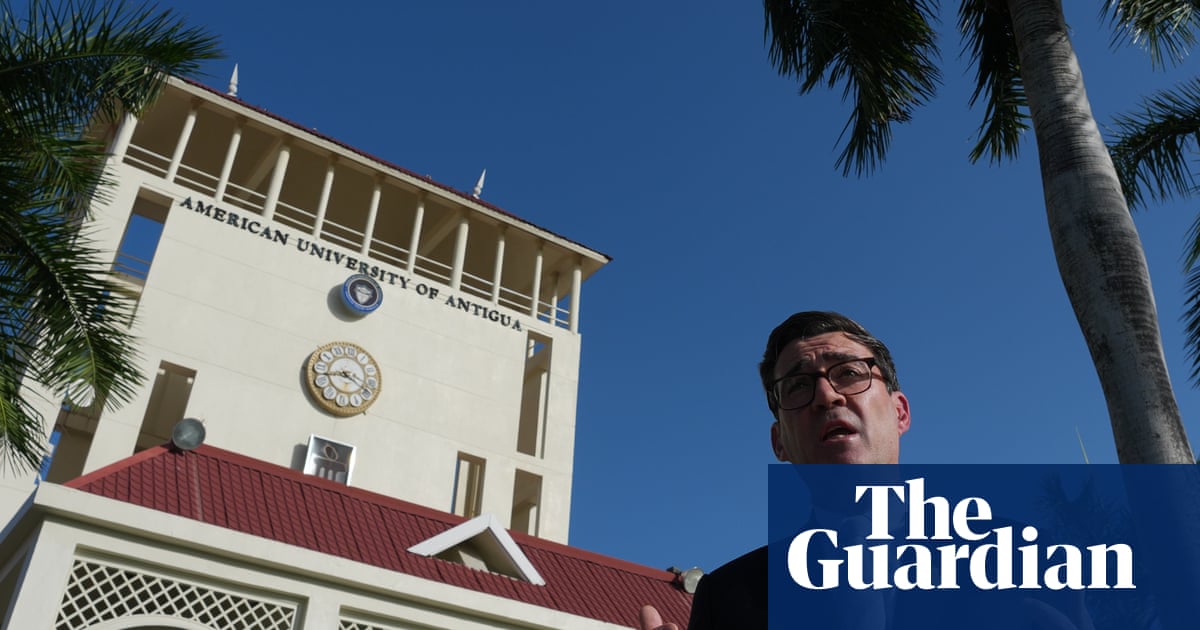
A beach in Antigua is not the ideal place for a prime minister to be photographed less than a week after his first budget where the focus was the crushing cost-of-living crisis. Add to the beachside cocktail a row about reparations for the British role in the slave trade, one of the favoured punching bags of the right-wing press, and it becomes easy to understand why Andy Burnham was wary of even attending the Commonwealth heads of government meeting . But behind the scenes, Foreign Office officials are convinced they have pulled off a quiet diplomatic victory – but one which will take some time to bear fruit.
A clear offer of an apology, which will now be worked on behind the scenes, and a path for the summit to move on from a prominent focus on reparations, which had driven many leaders from countries where that subject is not high on the agenda to avoid it altogether. Caribbean leaders, on the other hand, reject the idea that the reparations debate drowns out other subjects – instead arguing that it is a vital mechanism for breaking new ground. Last week, Barbadian prime minister Mia Mottley told the Guardian: “On reparations in particular, our views differ, and we will say so plainly and respectfully.
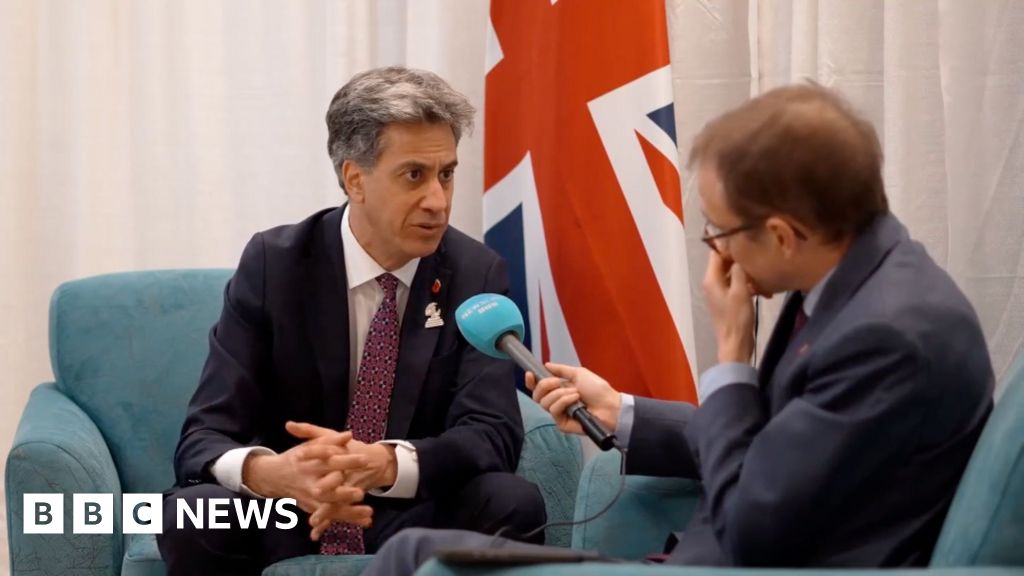
Honest disagreement on some questions should not hold back progress on the many others where we can readily agree.” She cited investment in health and education and fairer debt as some of those issues. It is in that context that Ed Miliband had told officials that the UK could not work from the same playbook as usual for Chogm by simply demanding the issue was not on the agenda. His view was that even if direct reparations remained ruled out, the UK should put something substantive on the table, like the formal apology, and use its upcoming presidency of the G20 to start a serious conversation about debt restructuring.
King Charles inspects a guard of honour in Guyana during his tour of Caribbean nations and attendance at Chogm. Photograph: Victoria Jones/Shutterstock Before the summit, one sceptical official said they could judge the health of the Commonwealth by weighing the number of middle powers who decided to attend. On paper, there are still powerful world leaders from counties such as Australia and Canada willing to make the trip – but crucially not from some of the world’s most important economies and regional powers like India, Malaysia, Singapore, Pakistan or South Africa.
It is difficult for a British prime minister to swerve a summit where King Charles is attending. But that, according to reports, was the plan of Keir Starmer before he was ousted. He had planned to send his then-deputy David Lammy in his place, after feeling he was ambushed unfairly with a reparations row at the last summit in Samoa in 2024.
There are still many diplomats across the Commonwealth who share Starmer’s view – that the summit is a waste of their time. One Commonwealth diplomat said: “We know that the royal family values the Commonwealth, but soon that will not be enough to keep it going.” Lammy commissioned an internal review after Samoa, which suggested that Chogm needed a radical rethink and should be far less frequent than every two years. Any decision on such a change would ultimately sit with the Commonwealth secretariat, not the UK government.
The review proposed an investment summit – which might have a draw for some other middle powers – and a cultural gathering every four to five years linked to events like the Commonwealth Games. But Miliband wanted to give the gathering another chance to have a meaningful role. When he entered the Foreign Office, allies say he wanted to preserve and elevate the Commonwealth as a political force, despite the pessimism, believing it would be in the UK’s interest to be in a grouping that represents one-third of the world’s people – and in a forum away from powers like China and Russia.
The US is also unable to dominate any of its proceedings. But crucial to that was a path to enable the gathering to move away from being dominated by the issue of reparations – and towards issues like investment, trade and climate change. Miliband’s view – similar to his approach on Israel and Palestine – was that the issue of reparations and Britain’s history had to be confronted head-on rather than angrily dismissed.
The apology will be worked on over the months ahead to try to reach a common understanding and satisfaction which does not leave Britain legally compromised. But few take the view that is a serious risk. One senior former government lawyer, who has worked on international cases, said offering an apology was “risk free” when it came to the idea of potential compensation.
“Simply saying sorry does not give any rights of itself,” they said. “It doesn’t push you into a corner, legally.” Government strategists believe this apology will eventually lead to a more productive forum than allowing the summit to drift. “Two years ago, the Keir Starmer approach was to just say we’re not talking about it,” one said.
“The PM and Ed Miliband took a view that that is just not tenable, that you have to show willingness to do the right thing, which is to open this apology discussion because it’s morally the right thing to do. The foreign secretary, Ed Miliband, wants to preserve and elevate the Commonwealth as a political force, according to allies. Photograph: Aaron Chown/Reuters “And more than that, there’s a hard-nosed argument to that if we can show Commonwealth countries we can deal with this, then we can move forward with them.
We won’t be cowed by the right on this. Mainstream public opinion supports our sensible, moral position.” Cynics believe it will never be enough and that the gathering cannot be redeemed. “I think that the current structures that the Commonwealth has are unsalvageable and I think that you can see that from the attendance lists,” said Ben Judah, Lammy’s former adviser.
“Many of the powers just don’t want to be part of a kind of unhappy, fractious conversation about the past, which generates this ugly row in the UK about Britain’s identity. Putin recently had 22 African leaders in Moscow. The Russians can do a more successful business summit with the global South. ” There is a significant amount at stake in the months ahead, and Miliband’s diplomatic success cannot be fairly judged until the next summit – and who can be convinced to host it.
For now, diplomats will begin to work on the text of an apology, while the UK will hope to move the focus on to debt, on which Gordon Brown will take the lead ahead of the G20 summit, to convince leaders that should be their primary ask and that it is the biggest hindrance to development. The G20 in Manchester is a far cry – and in a different world – from the 2005 Gleneagles summit which cancelled the debt of many poorer nations. But there is a hope that Brown can convene a serious offer on debt restructuring in time to announce it when Britain hosts the global gathering.
Source: The Guardian